select language: DE-DE
ES-ES
FR-FR
IT-IT
JA-JP
PT-BR
ZH-CN
NL-NL
DE-AT
DE-BE
DE-CH
DE-DE
EN-AU
EN-CA
EN-GB
EN-IN
EN-NZ
EN-US
ES-AR
ES-ES
ES-MX
FR-BE
FR-CA
FR-FR
IT-IT
JA-JP
NL-BE
NL-NL
PT-BR
ZH-CN
DE-AT
DE-BE
DE-CH
DE-DE
ES-ES
FR-BE
FR-FR
IT-IT
NL-BE
NL-NL
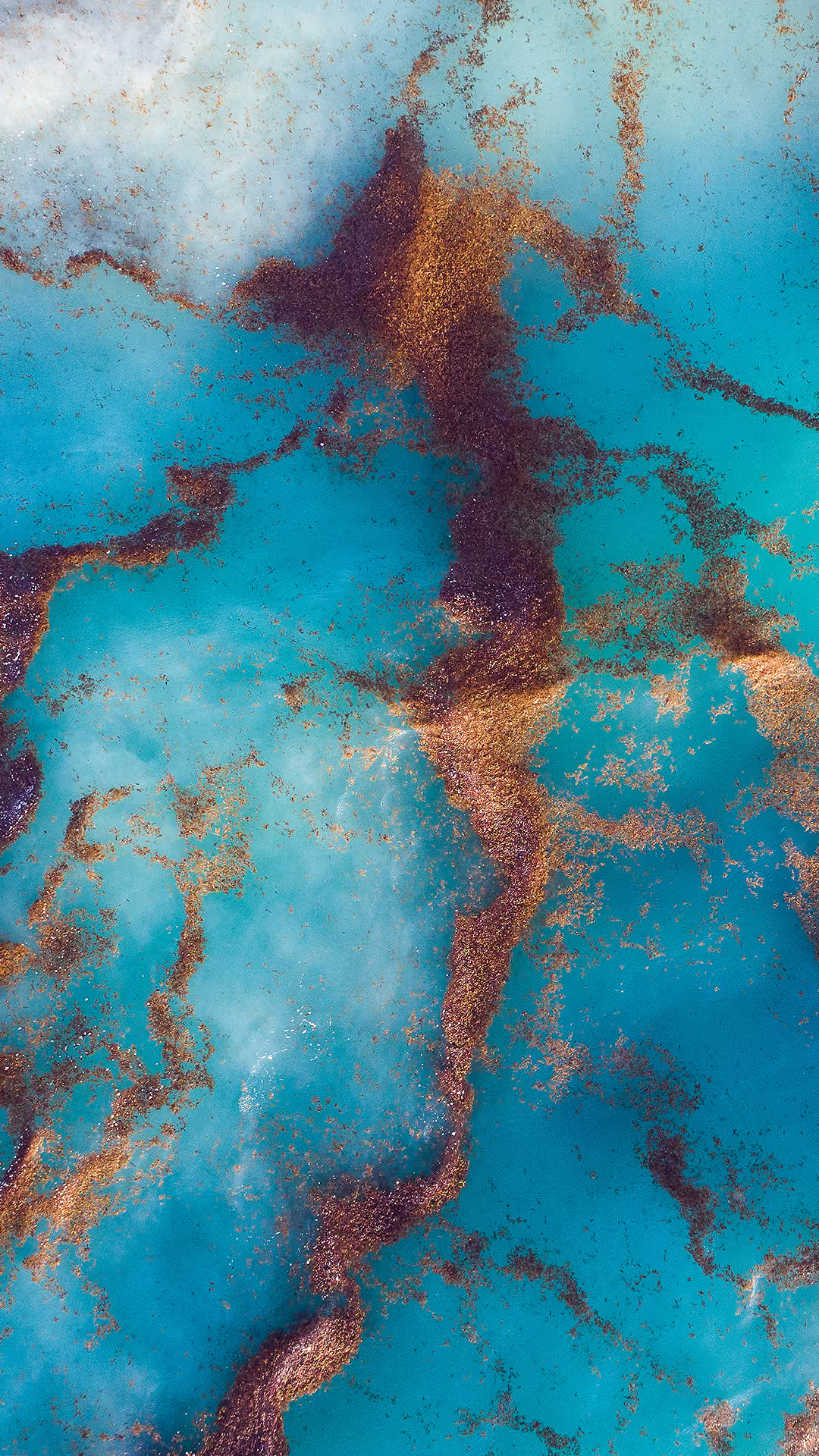
Aerial view of sargassum seaweed, Barbados
Streaks of sargassum
Most of the Caribbean's waters move at the whim of the North Atlantic Gyre. This system of currents encircles the calm, clear Sargasso Sea, an expanse named after the enormous quantities of sargassum seaweed found within – though more and more of it is escaping. Rising temperatures, combined with nutrient-rich waste runoff, have made the sea more prone to algae blooms, which form large masses when smushed together by the gyre. The biggest of these masses, the Great Atlantic Sargassum Belt, now stretches 8,000 kilometres across the ocean. This stinky seaweed is a bane for beachgoers, but seaborne bands of the stuff look pretty cool from the air.
The vast, calm Sargasso Sea takes its name from this species of ocean-borne flora.
© JeffGoulden / iStock / Getty Images Plus 2026-09-11 08:45:51 :