select language: DE-AT
DE-BE
DE-CH
DE-DE
EN-AU
EN-CA
EN-GB
EN-IN
EN-NZ
EN-US
ES-AR
ES-ES
ES-MX
FR-BE
FR-CA
FR-FR
IT-IT
JA-JP
NL-BE
NL-NL
PT-BR
ZH-CN
DE-AT
DE-BE
DE-CH
DE-DE
ES-ES
FR-BE
FR-FR
IT-IT
NL-BE
NL-NL
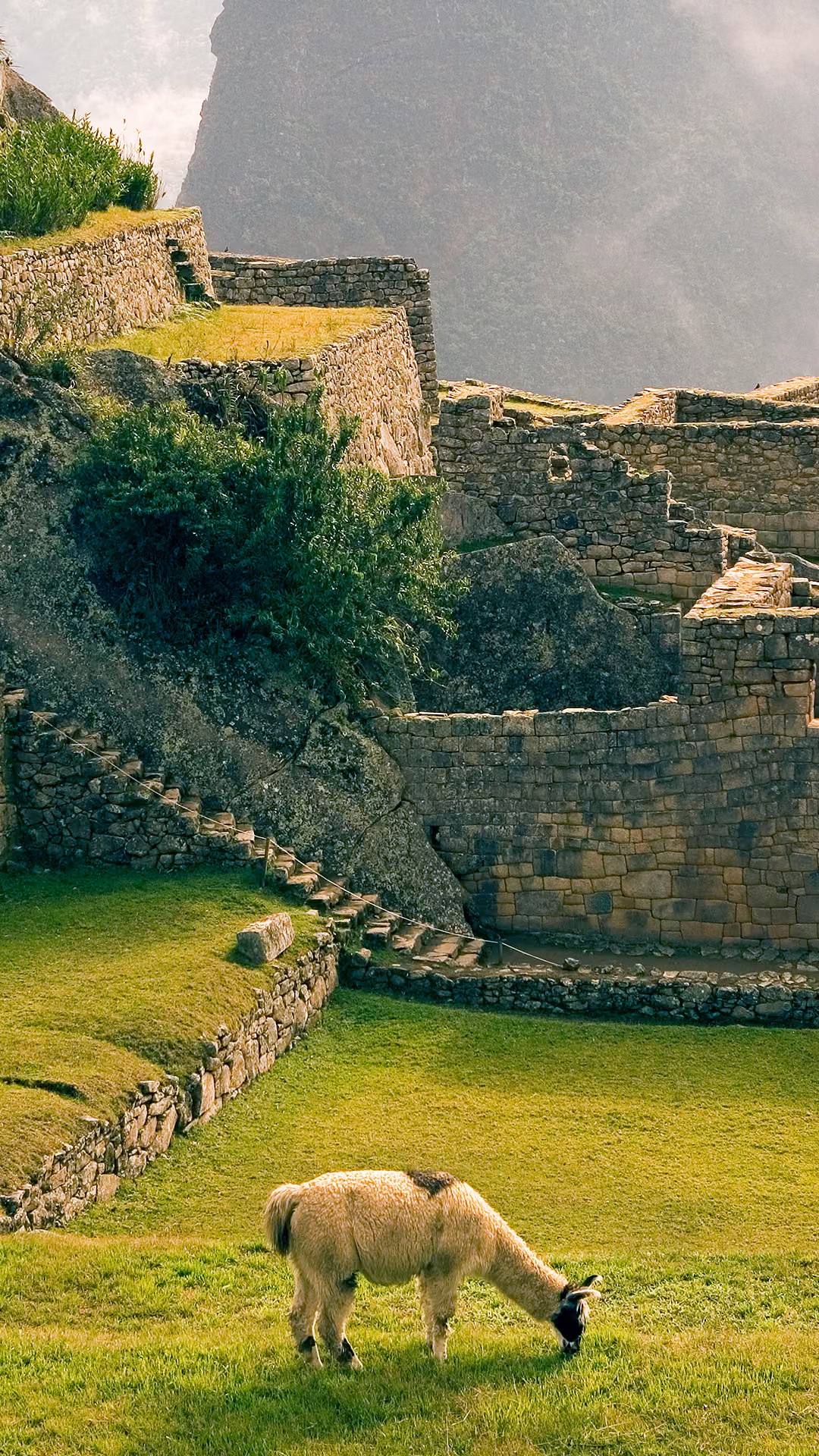
Llama at Machu Picchu, Peru
Llama in a lofty locale
This llama is visiting a world-famous landmark that its ancestors helped build. During the Inca Empire's construction of Machu Picchu between the 15th and 16th centuries, llamas were the pack animal of choice for hauling building materials to the 2,350-metre-high work site. Despite their gawky looks, llamas' surprising agility and long, grippy toes made them more than up to the task. And once the lofty citadel was established, llamas stayed productive… quite literally. The maize crops grown here, part of an agricultural revolution that ushered in the Incas' golden age, were fertilised largely by llama poop.
Machu Picchu's thriving was thanks in part to llamas – and in more than one surprising way.
© Laurie Chamberlain / Corbis Documentary / Getty Images 2026-09-11 08:45:51 :