select language: NL-NL
DE-DE
ES-ES
FR-FR
IT-IT
JA-JP
PT-BR
ZH-CN
DE-AT
DE-BE
DE-CH
DE-DE
EN-AU
EN-CA
EN-GB
EN-IN
EN-NZ
EN-US
ES-AR
ES-ES
ES-MX
FR-BE
FR-CA
FR-FR
IT-IT
JA-JP
NL-BE
NL-NL
PT-BR
ZH-CN
DE-AT
DE-BE
DE-CH
DE-DE
ES-ES
FR-BE
FR-FR
IT-IT
NL-BE
NL-NL
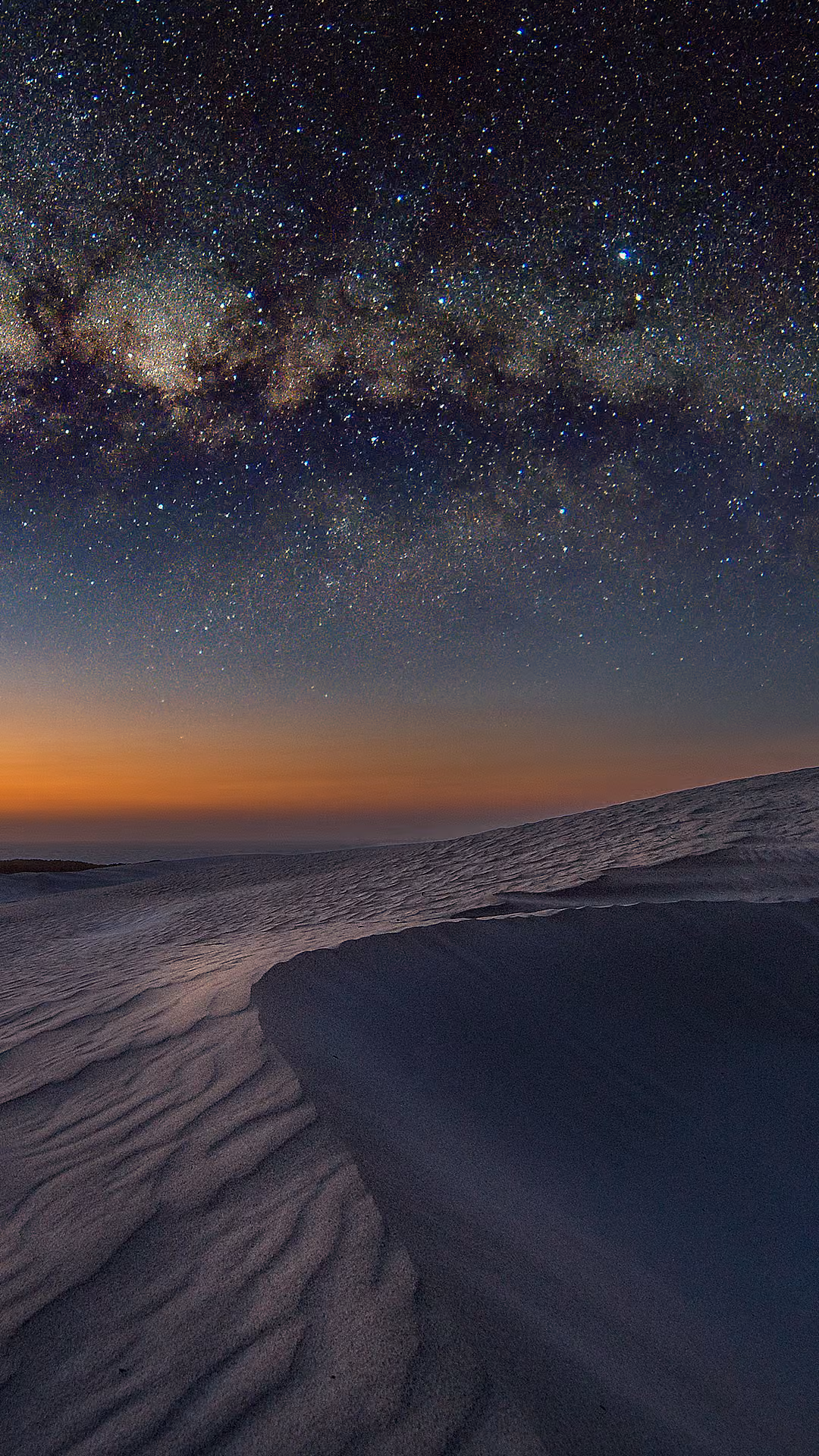
Milky Way over Cervantes, Western Australia
Seeing double
This striking photo of starry skies over the sands of Western Australia is actually two photos. The image has been composed using a technique called exposure blending – the lower, terrestrial half of the image was taken at twilight, capturing enough light to reveal the dunes' fine details. The upper half was taken well after dusk, once the Milky Way attained enough light intensity for a crisp, clear snap. Finally, the two images were combined digitally. Would traditionalists call this cheating? Probably, but bear in mind that similar composites have been achieved in darkrooms since the 1850s.
One good photo deserves another – and sometimes you've got to see both at once.
© Nik Coli / Shutterstock 2026-09-11 08:45:51 :