select language: DE-AT
DE-BE
DE-CH
DE-DE
EN-AU
EN-CA
EN-GB
EN-IN
EN-NZ
EN-US
ES-AR
ES-ES
ES-MX
FR-BE
FR-CA
FR-FR
IT-IT
JA-JP
NL-BE
NL-NL
PT-BR
ZH-CN
DE-AT
DE-BE
DE-CH
DE-DE
ES-ES
FR-BE
FR-FR
IT-IT
NL-BE
NL-NL
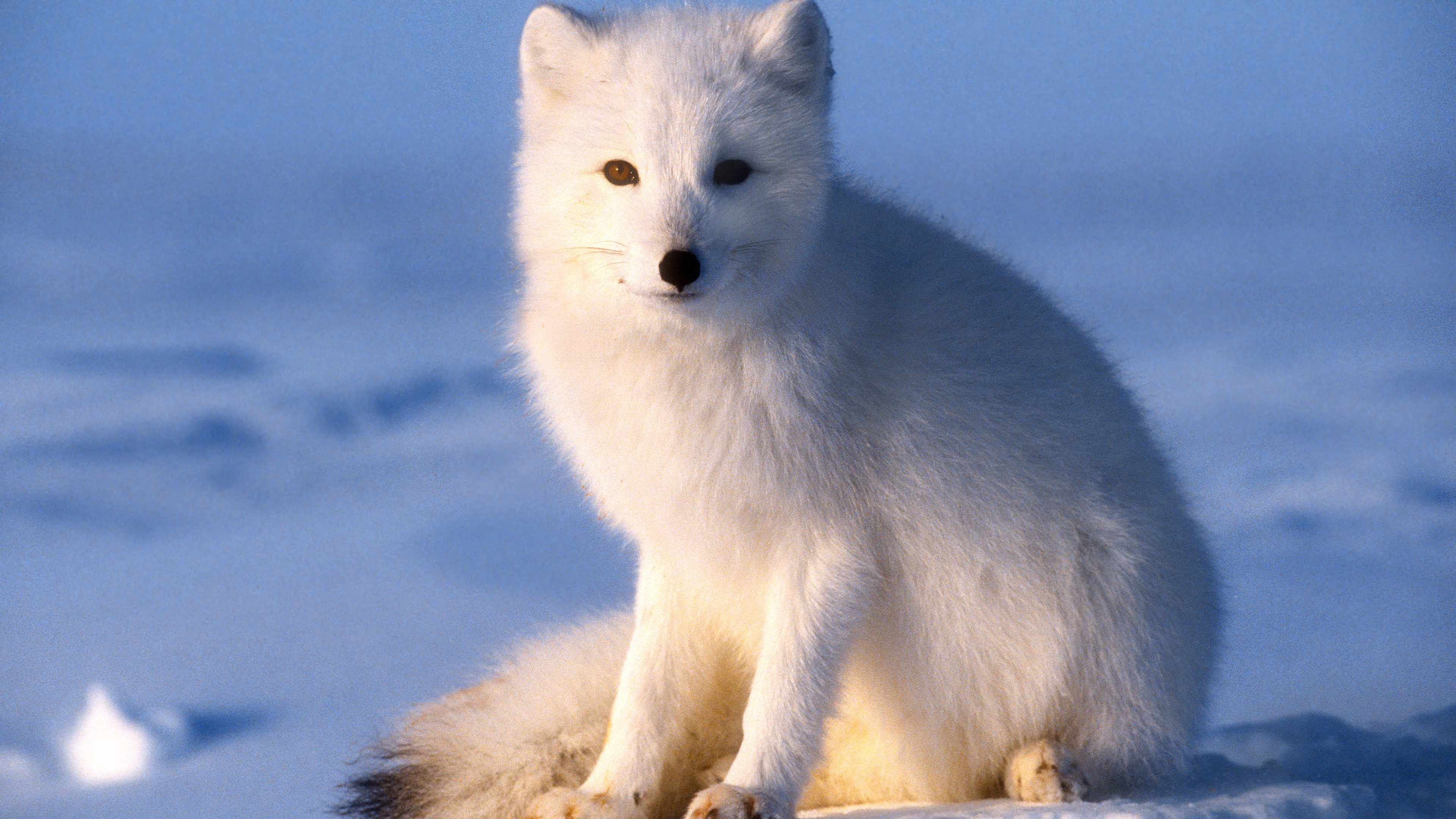
Arctic fox in Alaska, USA
Fuzz vs. freeze
While many animals migrate or hibernate in response to winter weather, the Arctic fox does neither of these. Instead, its coat transitions from brown and grey to a snowy white every autumn. The fox's pelt acts as camouflage, allowing it to blend in among the rocks and tundra for half of the year and, after turning white, hide in the snow and ice for the other half. Note the rounded ears and short muzzle – these protect the fox against frostbite. Even the pads of its paws are covered in fur, protecting it from the cold as it walks atop the snow and ice. This little fox will be able to play, hunt and wander the snowy tundra all winter, even in temperatures as low as minus 70 degrees Celsius. Stay warm, little buddy.
The Arctic fox is well prepared for winter weather – its fur coat even covers the bottoms of its paws.
© Tom Walker / Photographer's Choice RF / Getty Images 2026-09-11 08:45:51 :