select language: DE-AT
DE-BE
DE-CH
DE-DE
EN-AU
EN-CA
EN-GB
EN-IN
EN-NZ
EN-US
ES-AR
ES-ES
ES-MX
FR-BE
FR-CA
FR-FR
IT-IT
JA-JP
NL-BE
NL-NL
PT-BR
ZH-CN
DE-AT
DE-BE
DE-CH
DE-DE
ES-ES
FR-BE
FR-FR
IT-IT
NL-BE
NL-NL
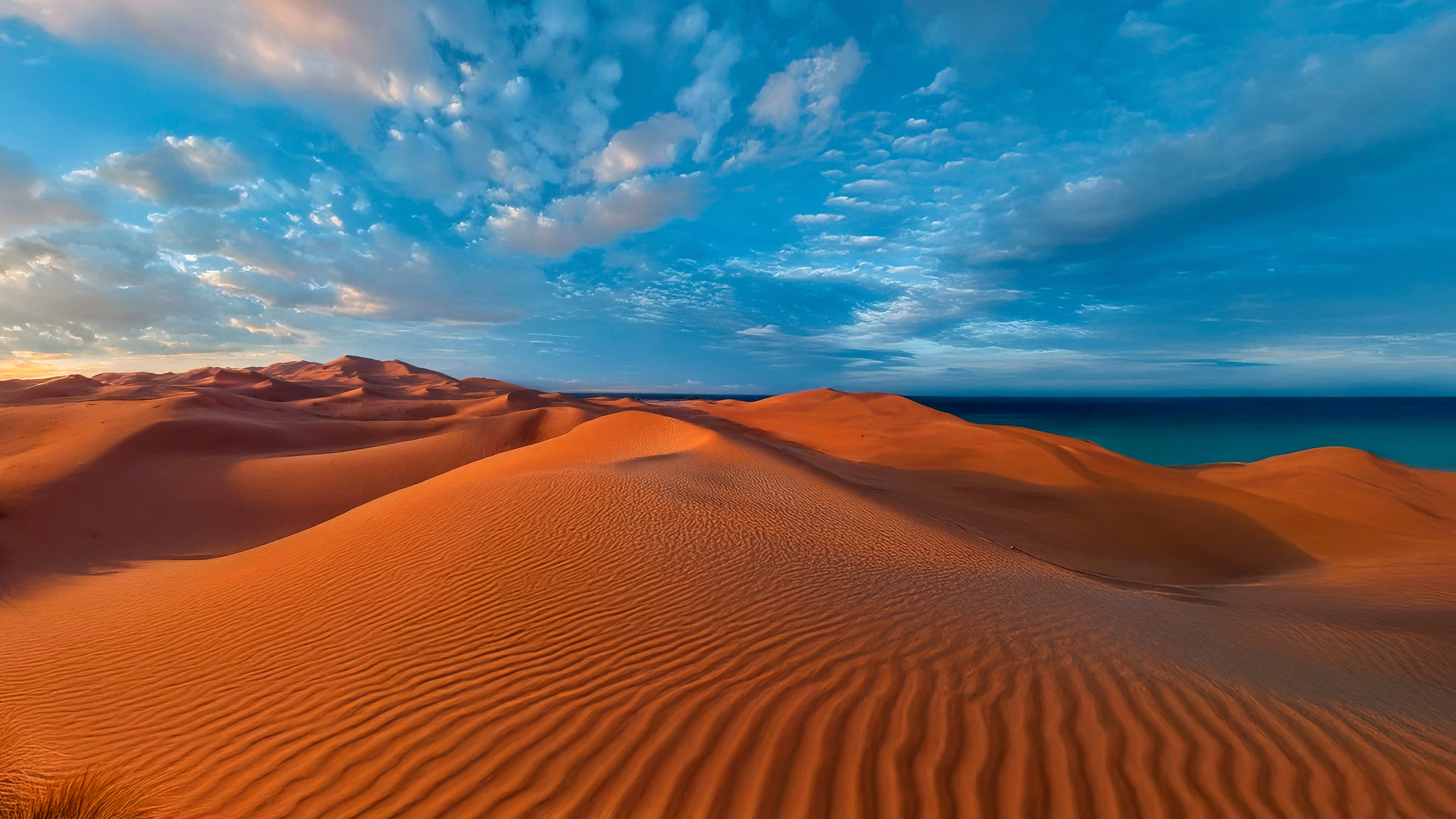
Skeleton Coast, Namibia
A bone-dry coast
Blue sea and sky create a two-tone tableau with warm-hued sands in what may be the world's oldest desert, and that's not the only sharp contrast you'll discover here. Daytime temperatures in the Namib regularly tip above 38 degrees Celsius, while nights can dive below freezing. And while the inland of this sandy strip – which covers Namibia's entire seaboard – is one of the driest places on the planet, moist mists gather offshore to hug the high-slung coastal dunes, summing up to as many as 180 foggy days a year. This northerly section of the Namib is nicknamed the 'Skeleton Coast', after the many shipwrecks its low-visibility conditions have caused.
© Steve Allen / Shutterstock 2026-09-11 08:45:52 :