select language: DE-DE
EN-AU
EN-CA
EN-GB
EN-IN
EN-NZ
EN-US
ES-AR
ES-ES
ES-MX
FR-CA
FR-FR
IT-IT
JA-JP
PT-BR
ZH-CN
DE-AT
DE-BE
DE-CH
DE-DE
ES-ES
FR-BE
FR-FR
IT-IT
NL-BE
NL-NL
DE-AT
DE-BE
DE-CH
DE-DE
EN-AU
EN-CA
EN-GB
EN-IN
EN-NZ
EN-US
ES-AR
ES-ES
ES-MX
FR-BE
FR-CA
FR-FR
IT-IT
JA-JP
NL-BE
NL-NL
PT-BR
ZH-CN
DE-AT
DE-BE
DE-CH
DE-DE
ES-ES
FR-BE
FR-FR
IT-IT
NL-BE
NL-NL
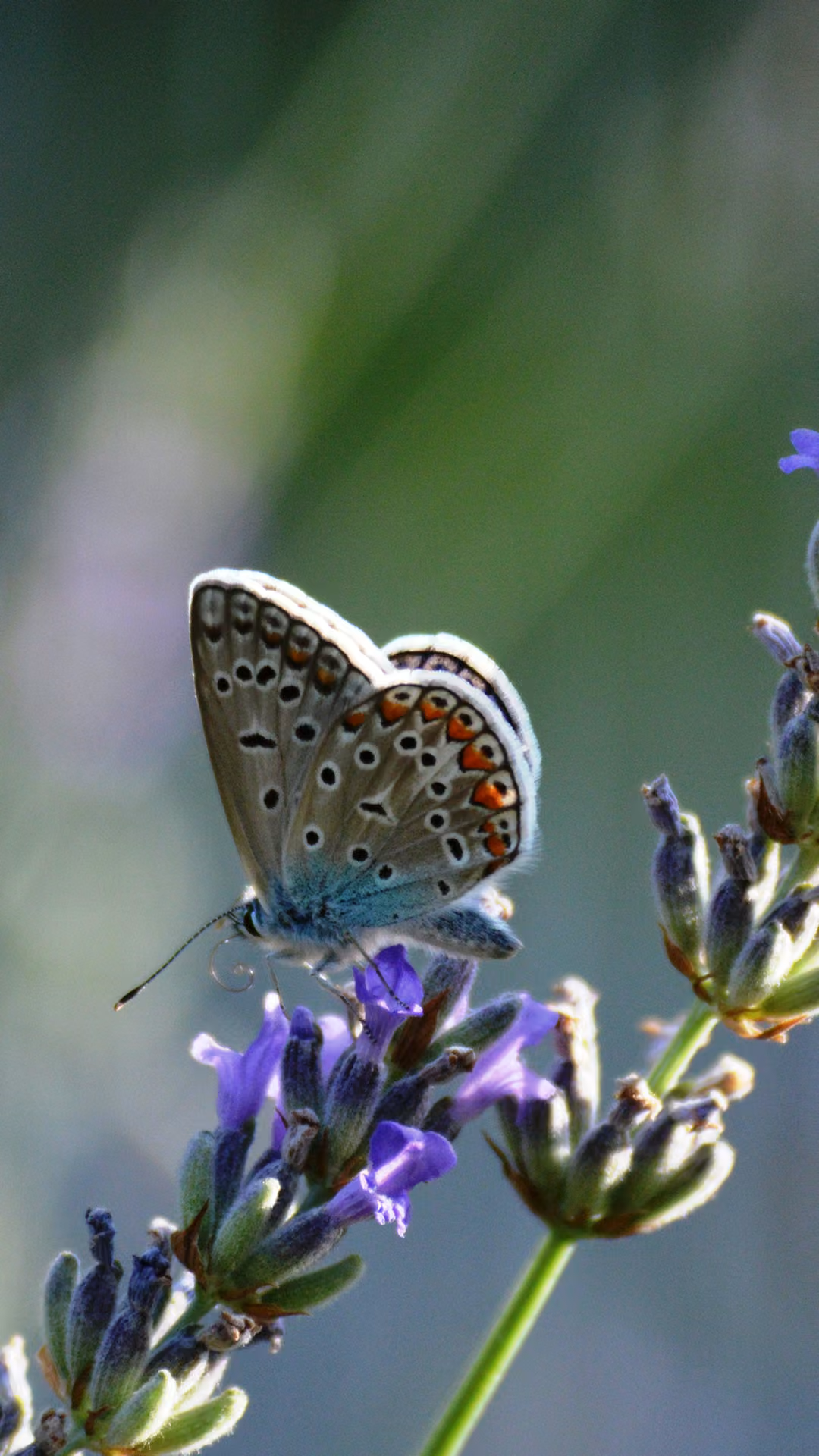
Common blue butterfly
A painted pollinator
You can thank this common blue butterfly's discerning palate for the delightful palette of our photo. Lavender is well loved by us humans as a delicious aromatic herb, and common blues agree, happily harvesting nectar from the tiny purple blossoms. Common blues' colour patterns differ by sex, a perfect example of dimorphism. By the blue belly and greyish outer wings of this little guy, we can tell he's a male – if he were to spread his wings, we'd see where the "blue" part of the name comes from.
As with many winged things, male common blue butterflies are more brightly coloured than females.
© OljaSimovic / iStock / Getty Images Plus 2026-09-11 08:45:51 :