select language: DE-AT
DE-BE
DE-CH
DE-DE
EN-AU
EN-CA
EN-GB
EN-IN
EN-NZ
EN-US
ES-AR
ES-ES
ES-MX
FR-BE
FR-CA
FR-FR
IT-IT
JA-JP
NL-BE
NL-NL
PT-BR
ZH-CN
DE-AT
DE-BE
DE-CH
DE-DE
ES-ES
FR-BE
FR-FR
IT-IT
NL-BE
NL-NL
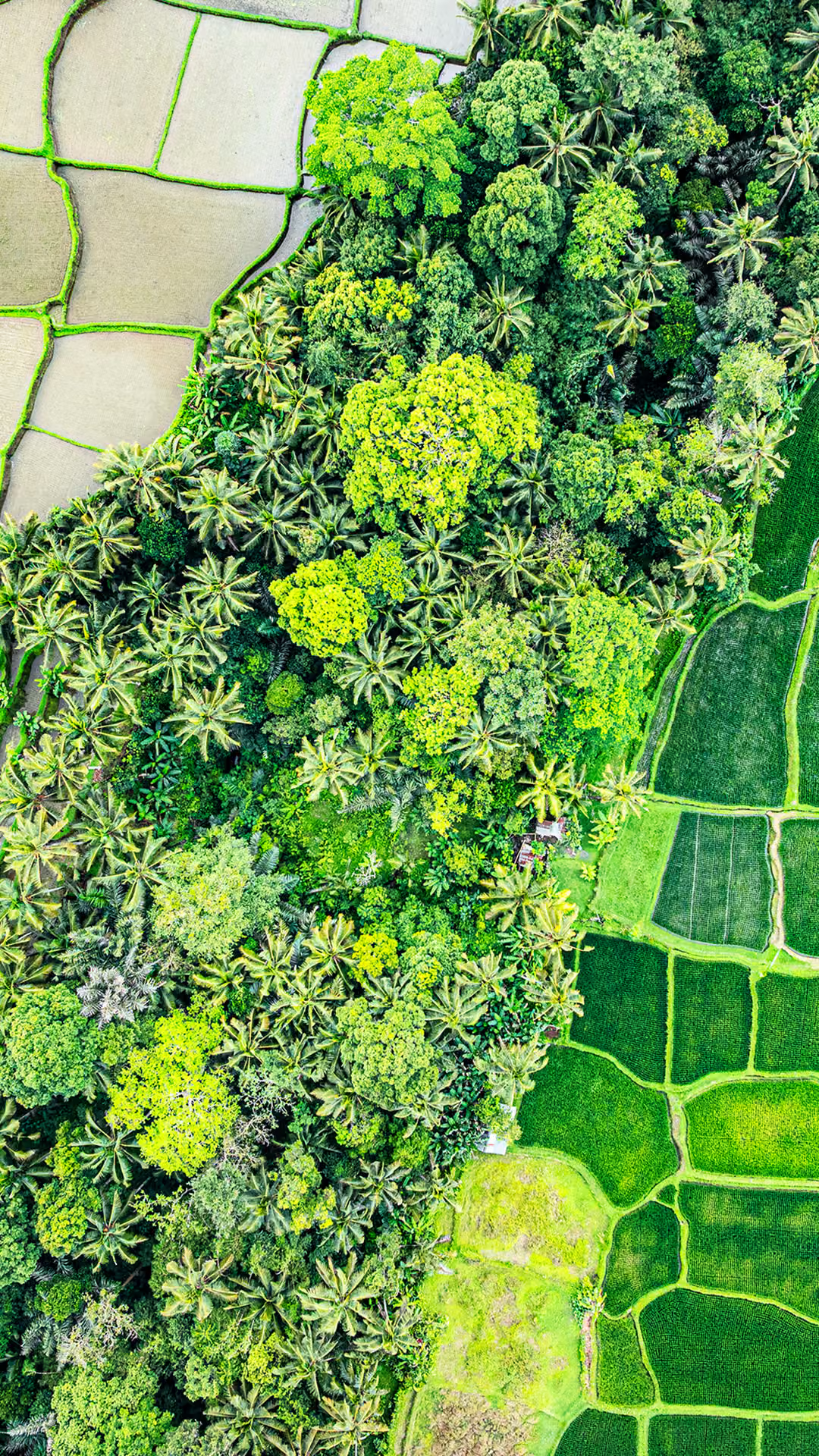
Rice fields in Ubud, Bali, Indonesia
A sustainable legacy
This lush, quilted landscape of rice fields is a visual testament to the millennium-old subak irrigation system, which harmonises farming with ecology and spiritual life. Since the 9th century, Bali's freshwater supply has been managed by local co-ops each centered around Hindu water temples. From lofty sources like Lake Batur – considered Bali's main freshwater source, located about 32 kilometres north of this farm in Ubud – water spills downhill through networks of weirs and waterways to soak the rice terraces from the highest to the lowest. Flow is directed on a schedule carefully planned by the co-ops, so rice fields may spend a given season either fertile, like the prosperous paddy to our right, or fallow, like the unsown area to our left.
© Roberto Moiola / Sysaworld / Moment / Getty Images 2026-09-11 08:45:52 :