select language: DE-AT
DE-BE
DE-CH
DE-DE
EN-AU
EN-CA
EN-GB
EN-IN
EN-NZ
EN-US
ES-AR
ES-ES
ES-MX
FR-BE
FR-CA
FR-FR
IT-IT
JA-JP
NL-BE
NL-NL
PT-BR
ZH-CN
DE-AT
DE-BE
DE-CH
DE-DE
ES-ES
FR-BE
FR-FR
IT-IT
NL-BE
NL-NL
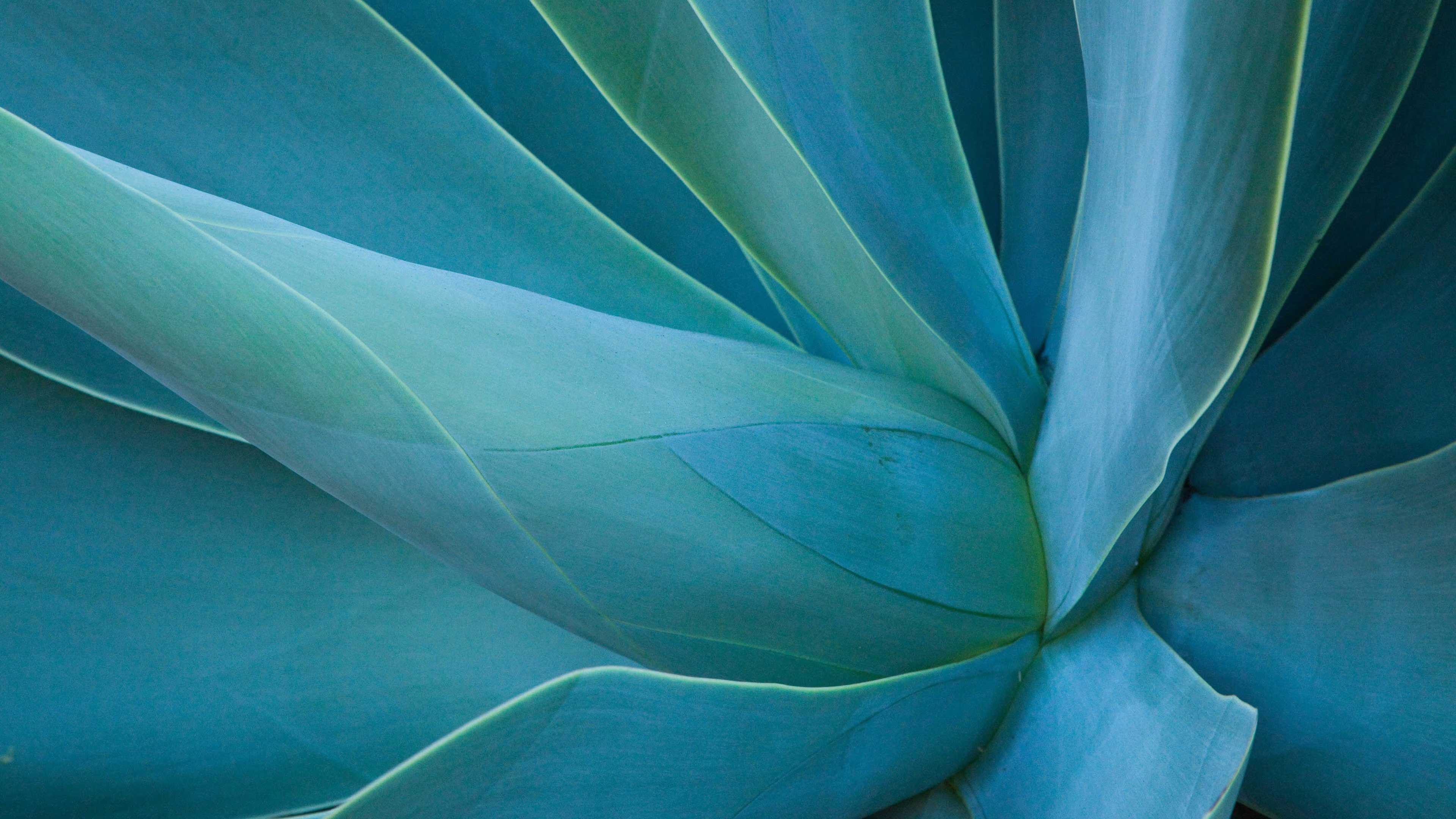
Close-up of an agave rosette
So close you can taste it
Cousin to both the asparagus in your fridge and the spider plant on your bookshelf, the agave plant is maybe the most succulent of the succulents. The liquid called aguamiel (Spanish for "honey water") that fills the plant's core can be cooked down to super-sweet syrup or fermented to create a variety of beverages – yes, including tequila. Though most widely identified with the fat-leafed rosette at its base (seen here in close-up), agave also produces a towering, flowering stalk that's every bit as distinctive. But since its growth stops the plant from storing aguamiel, most cultivated agave is trimmed trunkless.
The sap of this large succulent can be cooked down to a sweet syrup, popularly used as a sugar substitute.
© Danita Delimont / Adobe Stock 2026-09-11 08:45:51 :