select language: DE-AT
DE-BE
DE-CH
DE-DE
EN-AU
EN-CA
EN-GB
EN-IN
EN-NZ
EN-US
ES-AR
ES-ES
ES-MX
FR-BE
FR-CA
FR-FR
IT-IT
JA-JP
NL-BE
NL-NL
PT-BR
ZH-CN
DE-AT
DE-BE
DE-CH
DE-DE
ES-ES
FR-BE
FR-FR
IT-IT
NL-BE
NL-NL
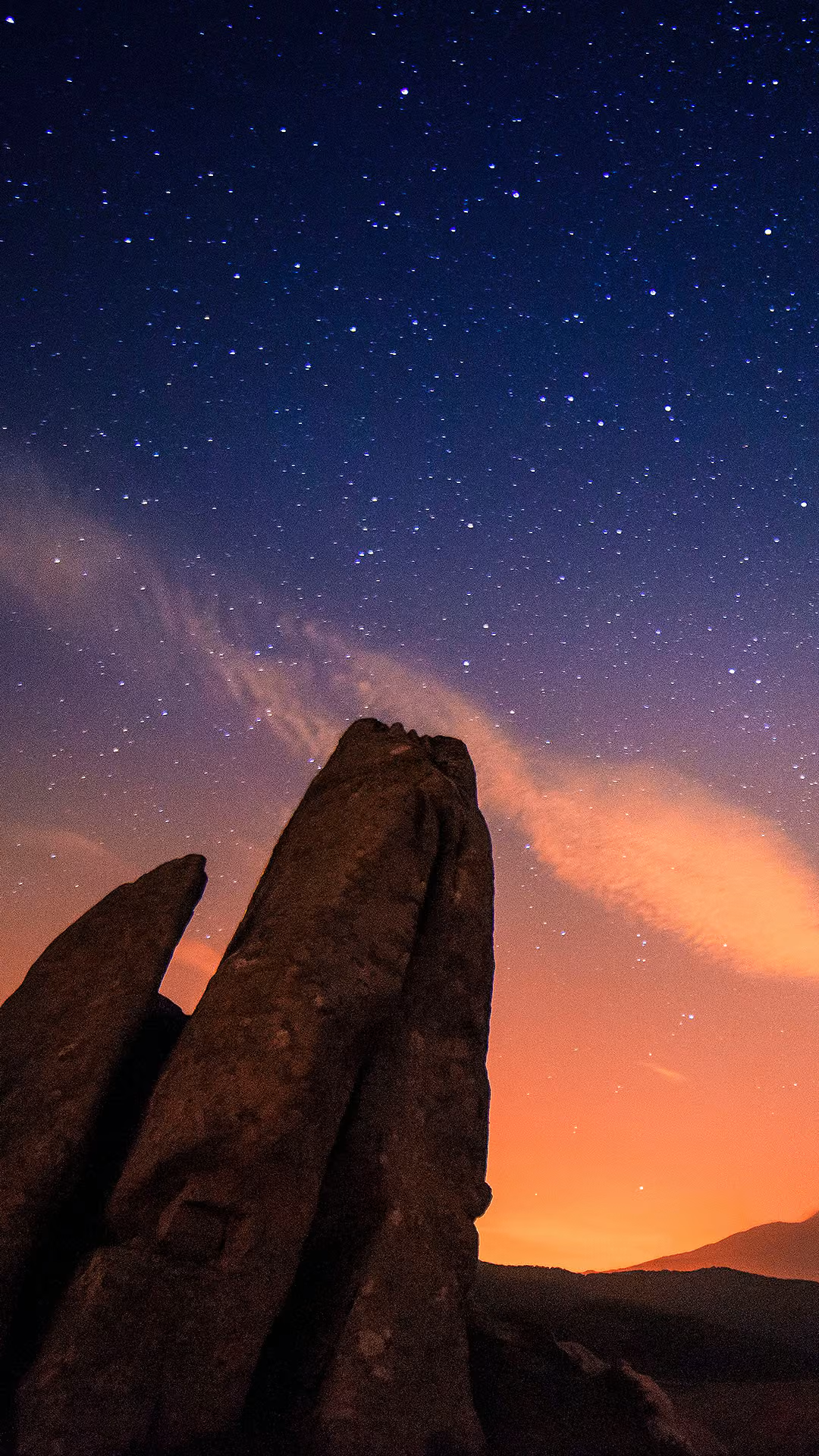
'Eagle' megalith and Mount Etna under the Milky Way, Argimusco, Italy
The Sicilian Stonehenge
Ancient stone circles are often associated with the British Isles, but the sun-soaked south of Europe has its share of Neolithic mysteries as well. Whilst the megaliths of Argimusco, Sicily, were likely shaped naturally, not human-assembled like Stonehenge, it's thought that they served as earthbound constellations in an early culture's mythology. Due to its appearance from another angle, the megalith in our image is known as the eagle, while other stones in the set are said to resemble a pelican, an owl, a lion, a snake, a woman in prayer and a monk. How's that for prehistoric pareidolia?
Though not hewn by human hands, this longstanding stone circle is reputed to be a place of prehistoric ritual.
© Antonino Bartuccio / Sime / eStock 2026-09-11 08:45:51 :