select language: DE-DE
EN-AU
EN-CA
EN-GB
EN-IN
EN-NZ
EN-US
ES-AR
ES-ES
ES-MX
FR-CA
FR-FR
IT-IT
JA-JP
PT-BR
ZH-CN
DE-AT
DE-BE
DE-CH
DE-DE
ES-ES
FR-BE
FR-FR
IT-IT
NL-BE
NL-NL
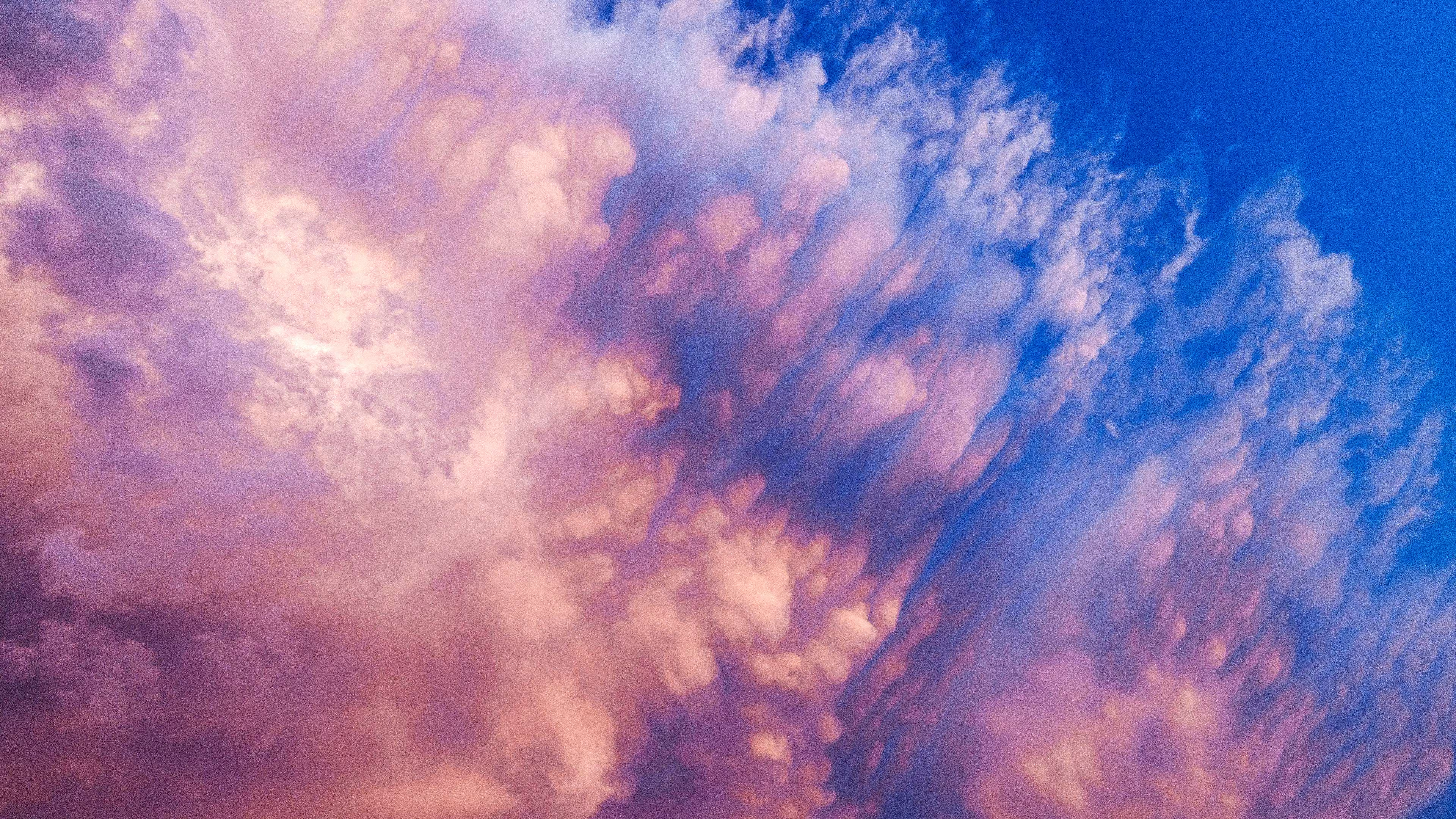
Altocumulus clouds
Name that cloud
Cloudgazers seeking familiar shapes might have a tough time with these altocumulus clouds over Australia – they have characteristics of both stratiformis (streaky or wavy) and floccus (woolly or tufted) clouds. If all that Latin has you suspecting something science-y going on here, you'd be right. Just like flora and fauna, clouds can be taxonomised by genus and species. The altocumulus genus has five distinctly shaped species – castellanus, floccus, lenticularis, stratiformis and volutus – appearing at a wide range of elevations from 2,000 to 6,000 metres.
Much as biologists do plants and animals, meteorologists classify clouds by genus and species.
© Andrew Merry / Moment / Getty Images 2026-09-11 08:45:51 :