select language: DE-DE
ES-ES
FR-FR
IT-IT
JA-JP
PT-BR
ZH-CN
NL-NL
DE-AT
DE-BE
DE-CH
DE-DE
EN-AU
EN-CA
EN-GB
EN-IN
EN-NZ
EN-US
ES-AR
ES-ES
ES-MX
FR-BE
FR-CA
FR-FR
IT-IT
JA-JP
NL-BE
NL-NL
PT-BR
ZH-CN
DE-AT
DE-BE
DE-CH
DE-DE
ES-ES
FR-BE
FR-FR
IT-IT
NL-BE
NL-NL
Lake Salda, Türkiye
Of microbes and Mars
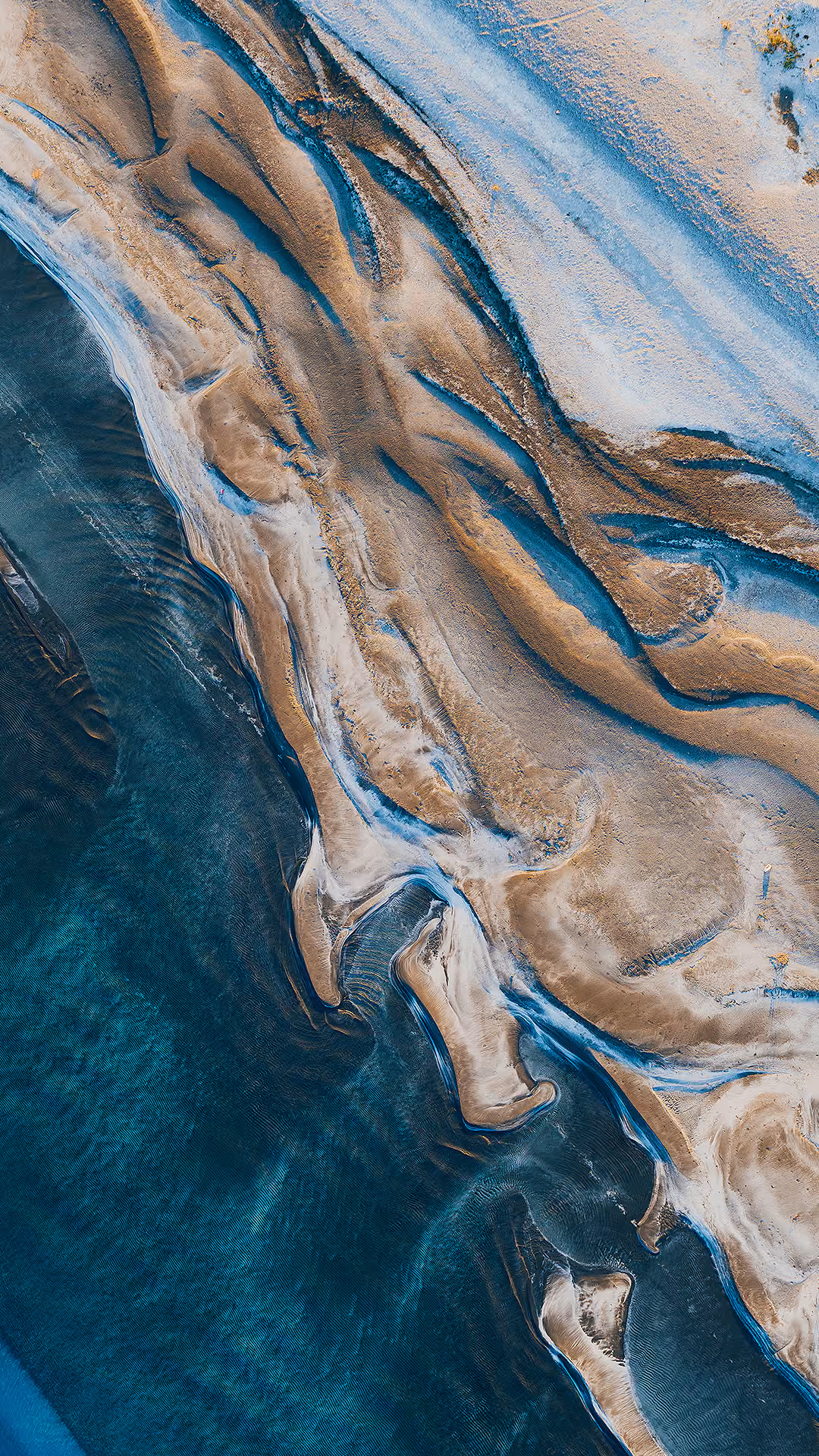
Though this crater lake is among the deepest in Türkiye, its crystal shallows are the main draw for most. Lake Salda's wide white-sand beaches are havens for swimmers and sunbathers – and have even caught the attention of NASA scientists. Much of the mineral-rich shore is encrusted with microbialites – fossilised microbe mats that represent some of Earth's earliest known life. Before the Perseverance rover was sent to Mars in 2020 to explore the Jezero Crater – once also a crater lake – researchers studied Salda's microbialites to better understand the shapes that extinct microscopic Martians might've taken.
This lake's unique geology tells us a lot about ancient life on Earth – and maybe even on Mars.
© mrtekmekci / E+ / Getty Images 2026-09-11 08:45:51 :